Hi everyone,
Doug and I are finally fully recovered from the flu. That was a rough one! Now we’re starting to get excited for our next adventure because a week from today, we’re heading to Rome with my family.
Last year, after my cousin’s wedding, my parents took our whole family to Paris. It had been years since we’d all spent that much uninterrupted time together, and it ended up being such a special trip. We loved it so much that my parents decided to make it an annual tradition, and this year, we’re going to Rome!

As you all know, I love pasta, and this trip has me dreaming about my favorite Roman dishes. Carbonara is at the top of that list, so today I’m sharing the method I learned from two wonderful Italian home cooks. Roman pastas are incredibly simple, and the secret is really in getting the technique and ratios just right.
First, here’s a recipe for 5-minute single-serve mac and cheese that my mom recently fell in love with. The whole thing comes together in the microwave, and I was shocked that the noodles stay perfectly al dente and the sauce tastes just like stovetop mac. It’s the easiest way to satisfy a craving with nothing but pantry staples, and I hope you give it a try!
As always, my cookbook Maxi’s Kitchen is now available for purchase at your local bookstore or online:
Thank you so much for your support 🤍
What I Cooked Last Week! ↓
5-minute single-serve mac and cheese
My mom recently fell in love with this microwave method. The noodles stay al dente, and the sauce tastes just like stovetop mac!
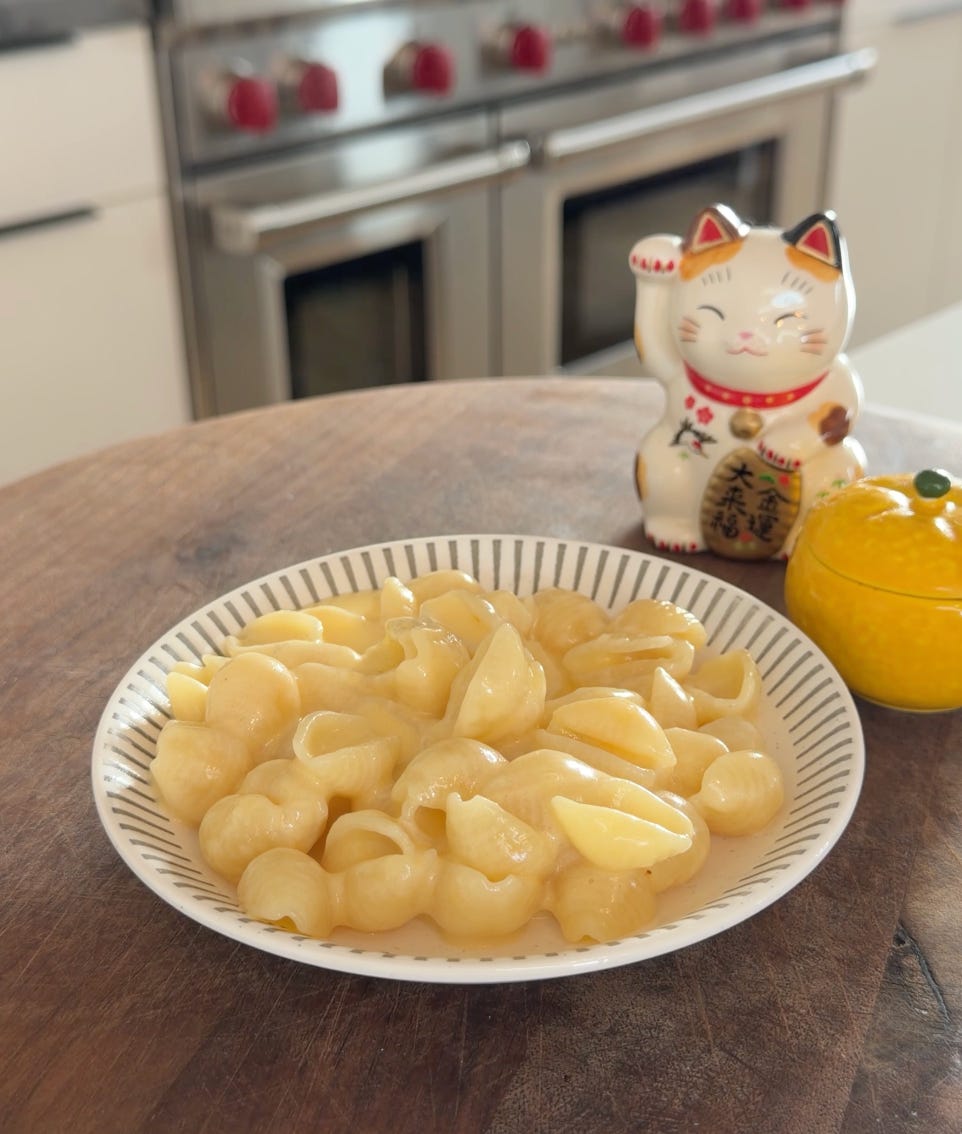

You can download the PDF recipe above and watch the video here :)
Healthy One-Pot Hot Pot

Here’s my simple method for a healthy hot pot you can make at home, no special equipment needed. Dip each bite in a ponzu-style sauce inspired by my grandpa’s recipe.
The Classic Roman Pastas 🍝
Rome is famous for its four classic pastas: cacio e pepe, gricia, carbonara, and amatriciana. One of the things I love about them is how such a small handful of ingredients like Pecorino Romano, black pepper, guanciale, eggs, and tomatoes can come together in completely different ways.
These dishes grew out of the cooking traditions of Rome and the surrounding Lazio region, where simple, hearty ingredients were used incredibly resourcefully. Aged sheep’s milk cheese and cured pork were staples of the region and had the added benefit of keeping well, so they became the foundation for many of the dishes we now associate with Roman cooking. Over time, those same few ingredients evolved into different pastas, from the simplicity of cacio e pepe to gricia and amatriciana, and eventually carbonara, the youngest of the four.
Carbonara is one of my favorites, and if you ask Doug, there’s no pasta better.
How I Learned to Make Carbonara
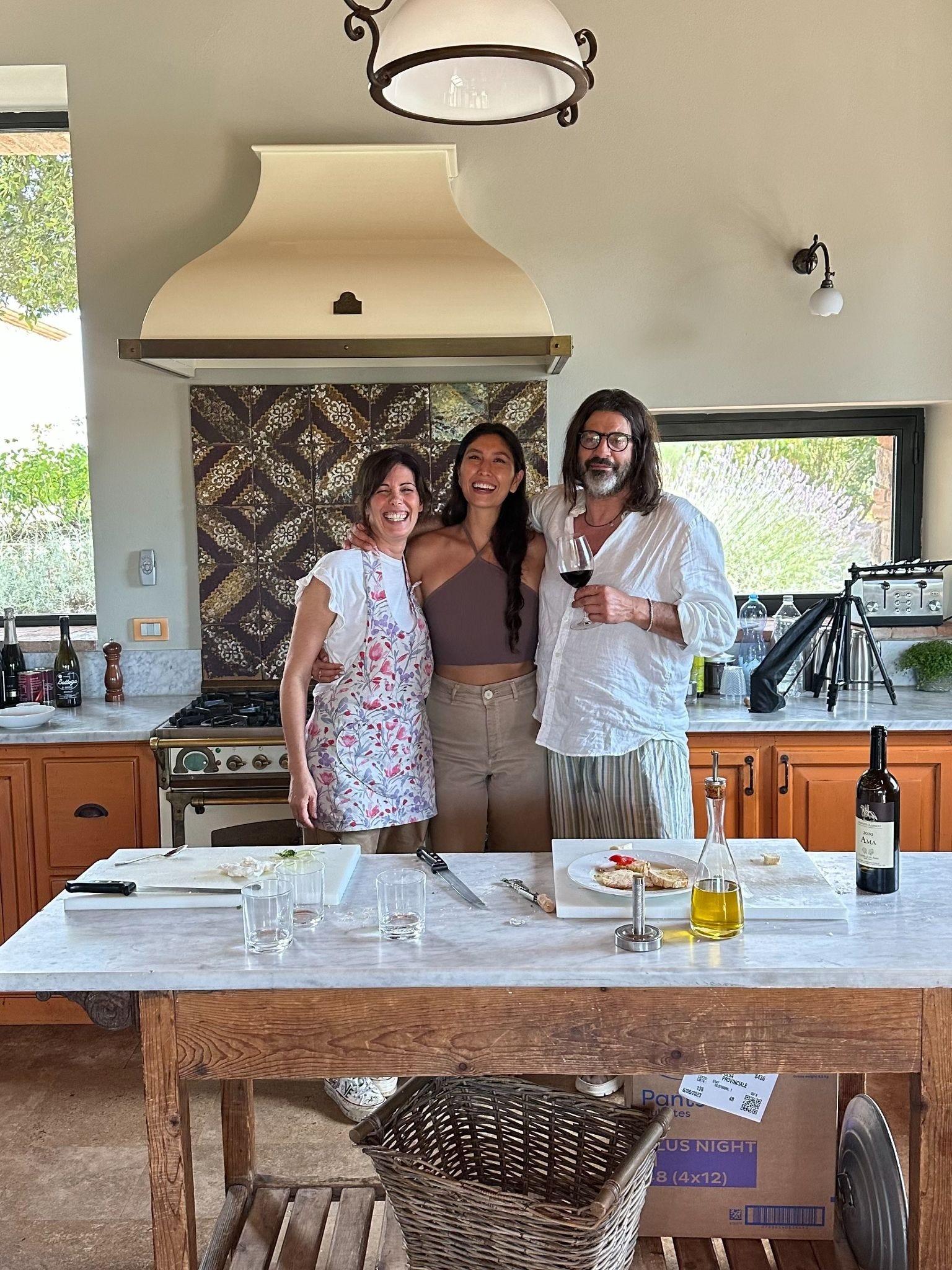
A few years ago, while we were in Italy with my mom and my aunt, two amazing Italian home cooks came to the house we rented to teach us how to make pasta the authentic way. One of the dishes they showed us was carbonara, and it was fantastic. Here’s the method they taught us.
A note on guanciale: Carbonara is traditionally made with guanciale, or cured pork cheek. You can find it at Italian butchers and specialty meat shops, but since it’s hard to find at most American grocery stores, I usually use pancetta instead (bacon works too). If you do use guanciale, trim off the tough outer skin and any yellowed fat before dicing the rest.
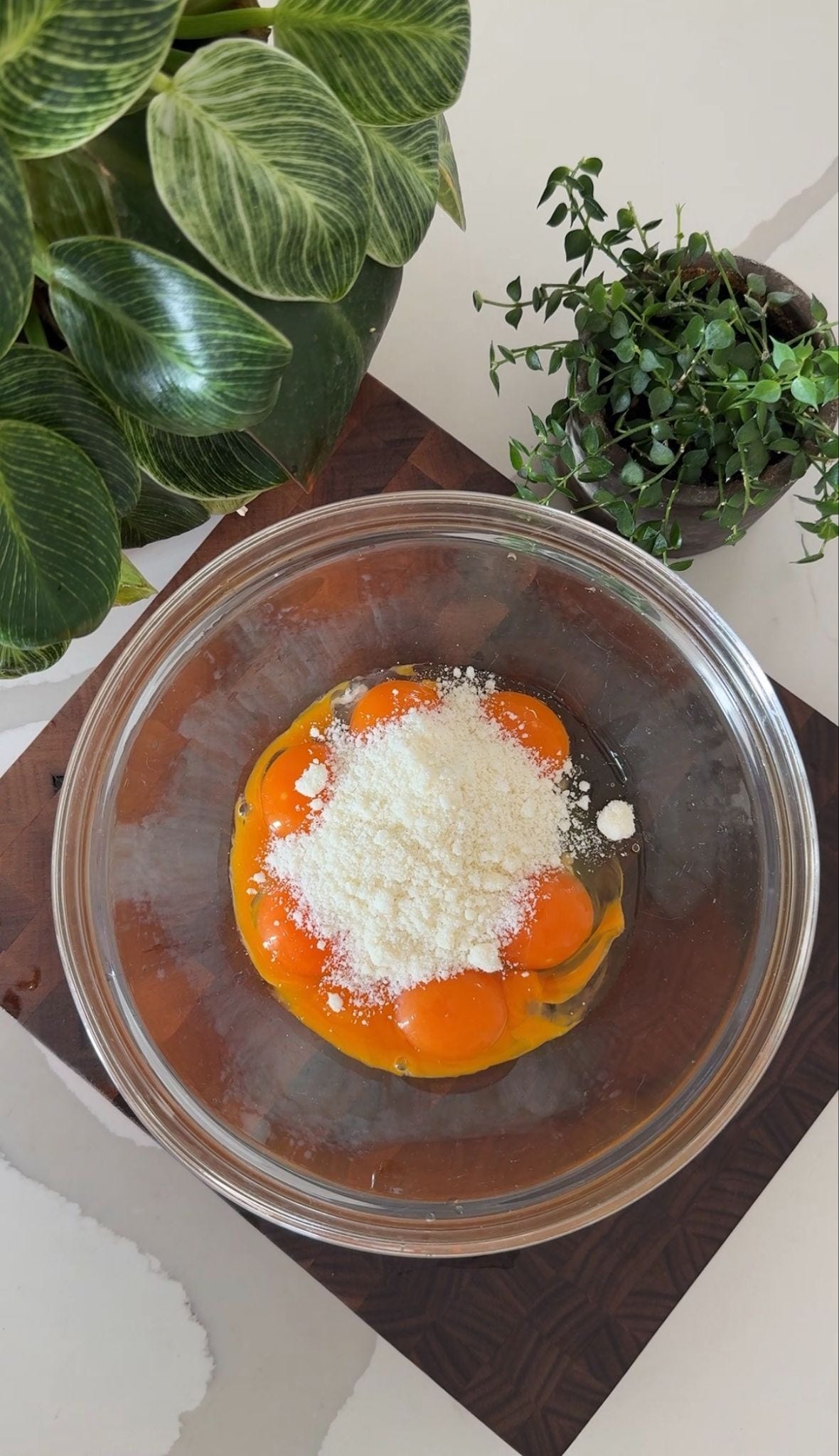
Start by bringing a large pot of salted water to a boil. While it heats, beat together 6 egg yolks, 1 large egg, 1/4 cup (1 ounce) grated pecorino Romano, and a few grinds of black pepper in a bowl.